SIS® Anti-Frost Technology

Protect orchards against radiation frost with an innovative vertical cold-air extraction system.

English Español Français Deutsch Italiano Português

What is SIS?

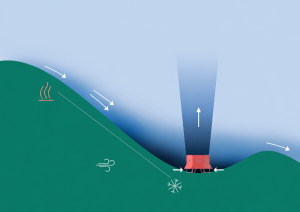
SIS extracts the coldest air accumulated close to the ground and projects it vertically to higher atmospheric layers, reducing the effects of radiation frost and protecting high-value crops.

The SIS® frost control system is based on the concept of selective extraction of a stratified fluid — which is exactly what the atmosphere becomes under frost conditions.

SIS units forcibly draw off the coldest air on the estate, driving it upward as a jet through mechanical force to a height of over 80 m, outside the crop's risk zone. There it mixes with warmer layers and reaches its equilibrium point, evening out the warmest and coldest areas.

SIS vertical cold-air extraction diagram

How we guarantee its effectiveness

1

Temperature Measurement

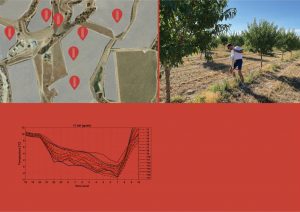
The temperature is measured on site by installing data loggers at a specific location for 40 days, in any month of the year.

Field data logger measurement
2

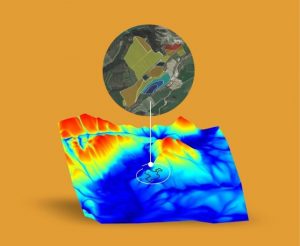
Computational Fluid Dynamics Model

The cold-air flows and temperature distributions that develop on each estate and its surrounding region during frost nights are simulated.

The model uses:

  • Digital Terrain Models (DEMs).
  • The equations of motion, heat balance, boundary-layer and turbulence closures, among others.
  • High-performance GPU processors.
Computational fluid dynamics simulation
3

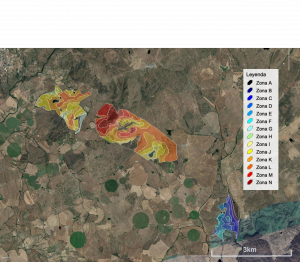
Microclimate Mapping

Case study: 1,300 ha of almond trees in Portugal.

Minimum temperature differences between microclimates on frost nights: 0.5 °C.

TOTAL TEMPERATURE DIFFERENCE: 7 °C OVER 6 KM.

Microclimate temperature map
4

System Viability + Number of Units Required

THE ONLY SYSTEM THAT ENSURES ITS EFFECTIVENESS BEFORE PURCHASE.

Before finalizing the acquisition of the SIS® system, it is essential to be certain of its effectiveness.

System viability study

Advantages

Efficient Protection

Maximum efficiency against radiation frost.

Electric, Diesel or Tractor PTO

Available with electric motor, diesel engine or exclusively connected to the tractor PTO.

Low Maintenance

Industrial design with minimal maintenance.

Microclimate Studies

Installation based on real climatic measurements.

Proven effectiveness before purchase

The only system that validates its effectiveness before installation.

USUARIOS Y EXPERIENCIAS

Melocotones, España

AÑO 1993 — Primera instalación en España

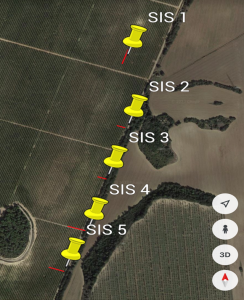
5 equipos instalados en finca de melocotones cerca de Alcarrás, Lleida desde hace 20 años.

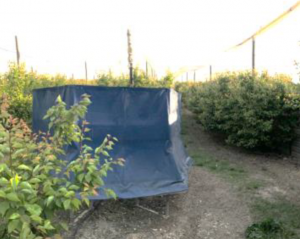
En la foto se ven los 5 equipos SIS® que hay en la cuenca y señalado en rojo una barrera artificial para contener los flujos de aire frío.
AÑO 2024

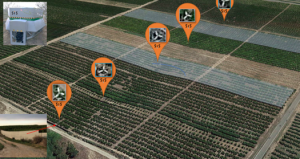
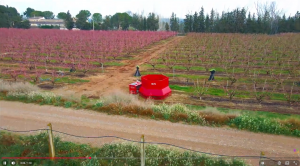
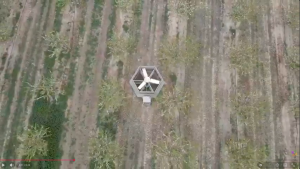
Lleida, Cataluña, finca de melocotones con 4 equipos y con cortina de retención de aire frío, aguas abajo.
Almendras, España

Épila, Zaragoza, con cortina de retención de aire frío, aguas abajo.
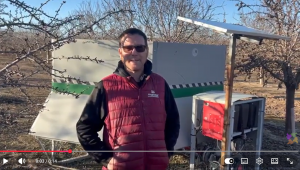
1ª campaña amortiza el 100% de la inversión.

Gurrea de Gállego, Huesca

5 equipos protegiendo zona con heladas recurrentes, instalado en 2021.

2 campañas amortizan el 100% de la inversión.

Nogales, España

Barcelona, con cortina de retención de aire frío, aguas abajo.
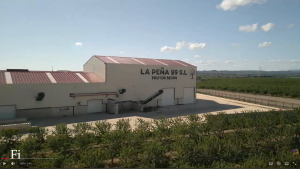
En esta finca se combinan equipos con cárdan a tractor y con motor eléctrico con generador.

PISTACHOS, España

Pedrajas de San Esteban, Valladolid, Castilla y León, con cortina de retención de aire frío, aguas abajo.

En este caso SIS® eléctrico con generador.

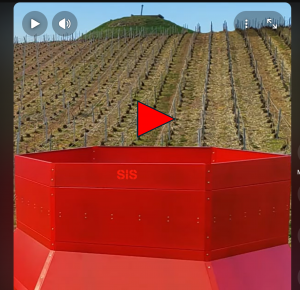
VIÑEDOS, Francia

Nantes, con cortina de retención de aire frío, aguas abajo.
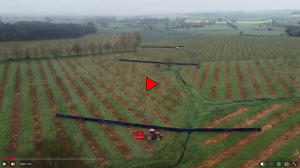
En este caso SIS® con motor Diésel, igualmente muy silencioso, cerca de núcleo poblado.

Nantes, Bodegas Grand Mouton, con cortina de retención de aire frío, aguas abajo.
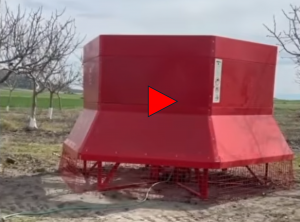
En este caso SIS® con cardán conectado a un tractor.

BUXEUIL, Champagne, con cortina de retención de aire frío, aguas abajo.
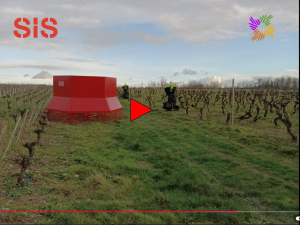
En este caso SIS® con cardán conectado a un tractor.

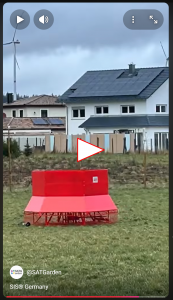
ABETOS NAVIDEÑOS, ALEMANIA

AALEN, Alemania, con cortina de retención de aire frío, aguas abajo.
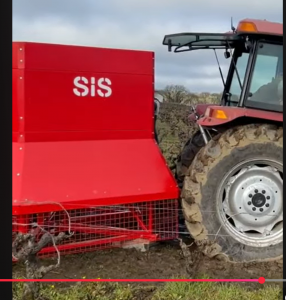
En este caso 2 SIS® con cardán conectado a un tractor.